
01
A consistent quality language
Separate the product category from its condition. Draft classes A–D describe quality; safety exclusions are decided before grading.
Explore ↗A developing framework for the quality, classification and traceability of used clothing, textiles and approved reuse categories. Built around documented assessment, not unverified claims.
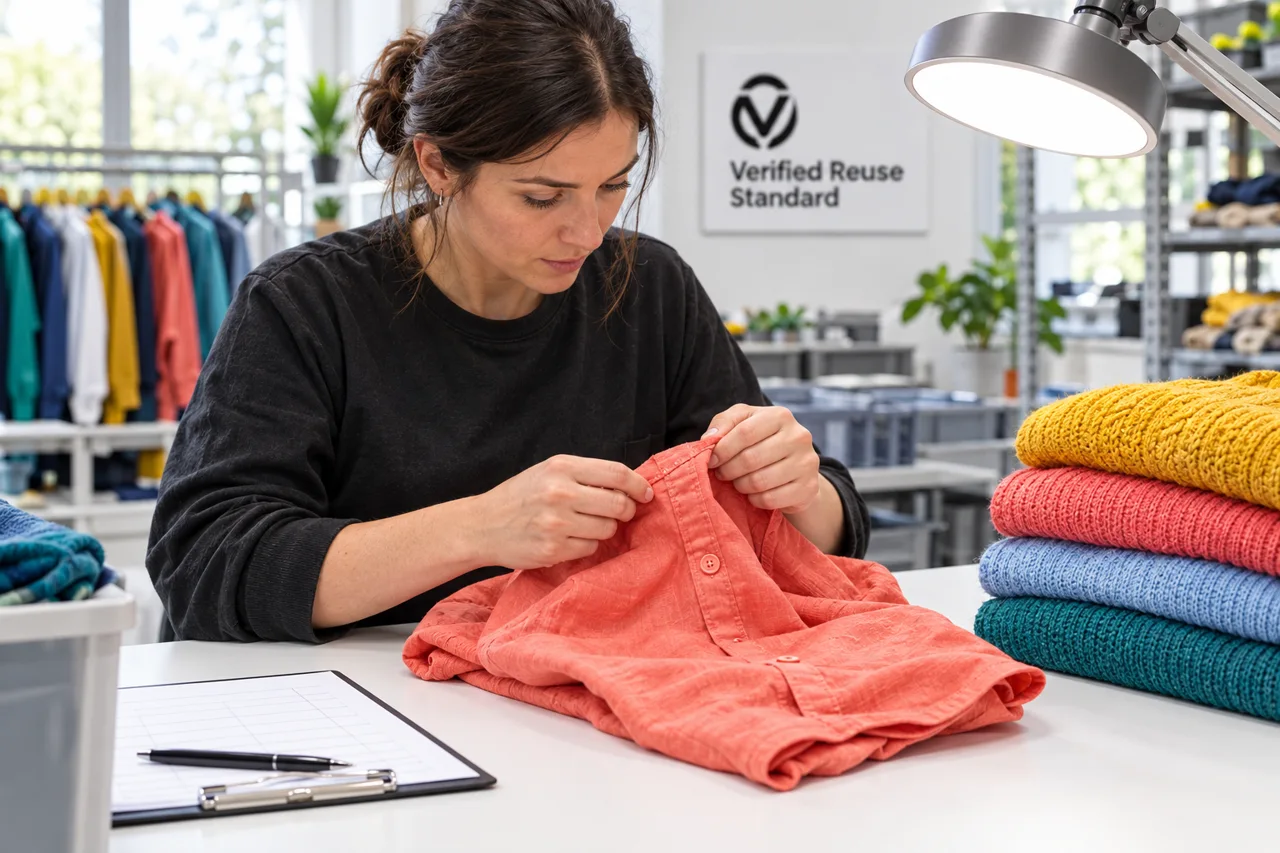
Separate the product category from its condition. Draft classes A–D describe quality; safety exclusions are decided before grading.
Explore ↗Connect intake, sorting, batch identity and dispatch records. A documented route is evidence of movement, not proof of actual reuse.
Explore ↗Identify the organisation, locations and activities covered. A shop-level claim is not certification of every item on its shelves.
Explore ↗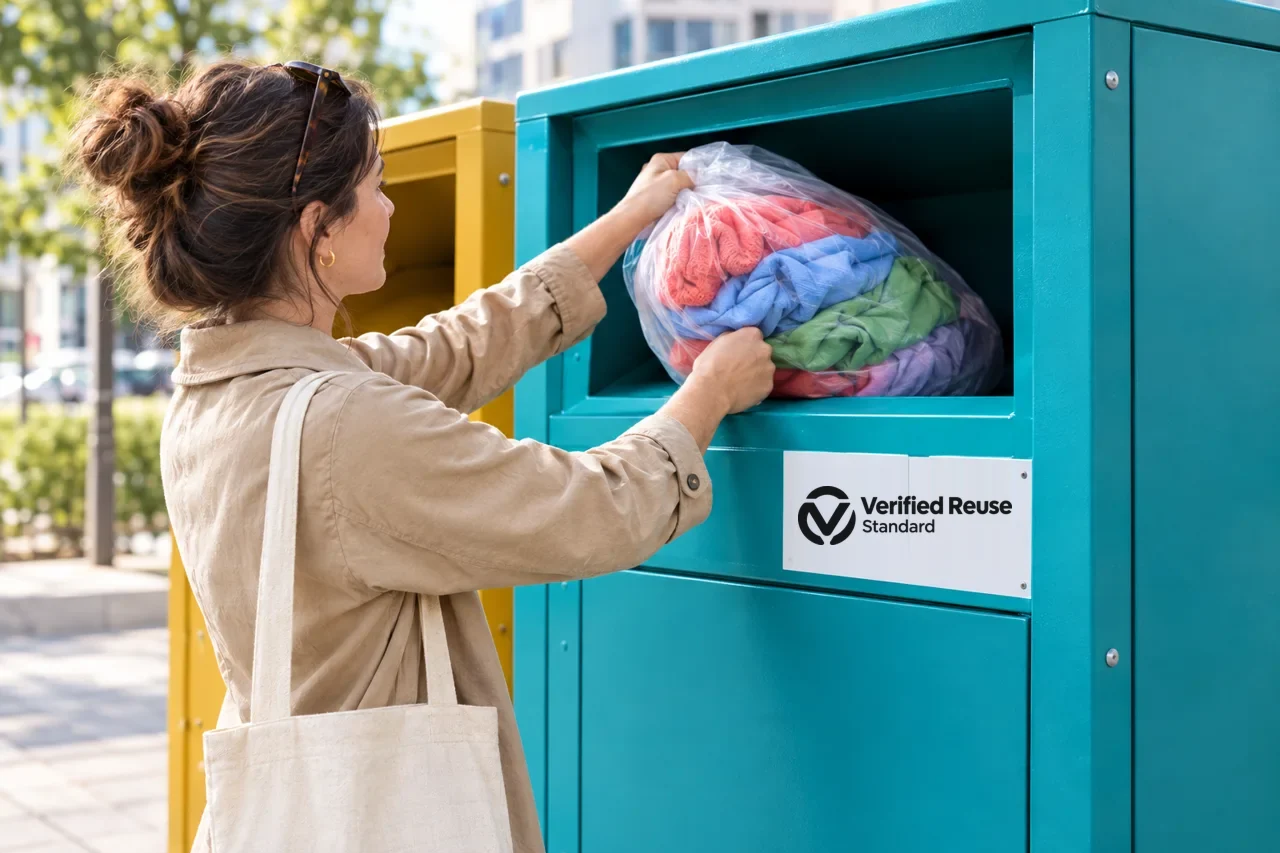
Intake assessment, product safety, classification and batch records.
Explore ↗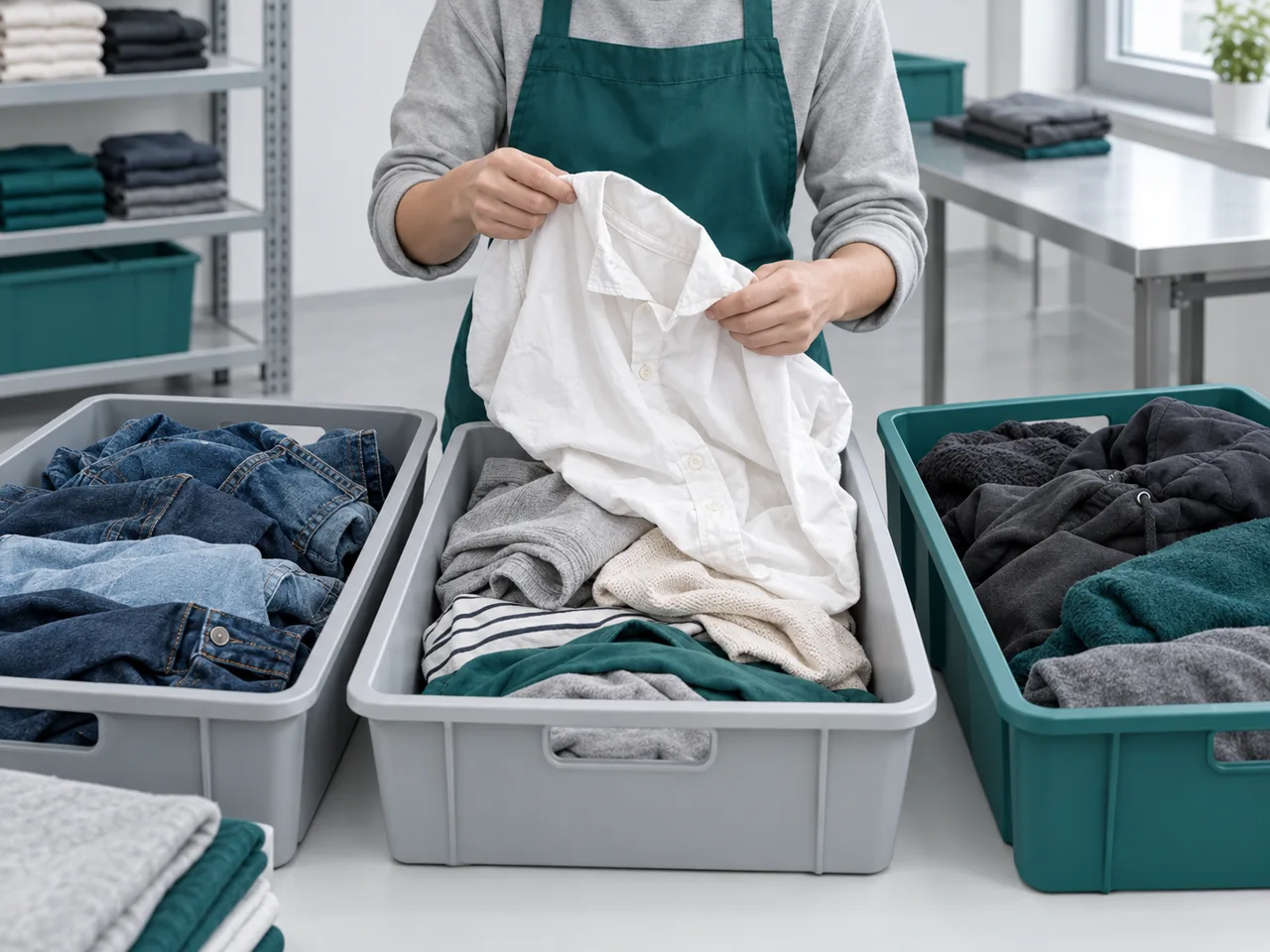
Documented transfers, material accounting and evidence for dispatch.
Explore ↗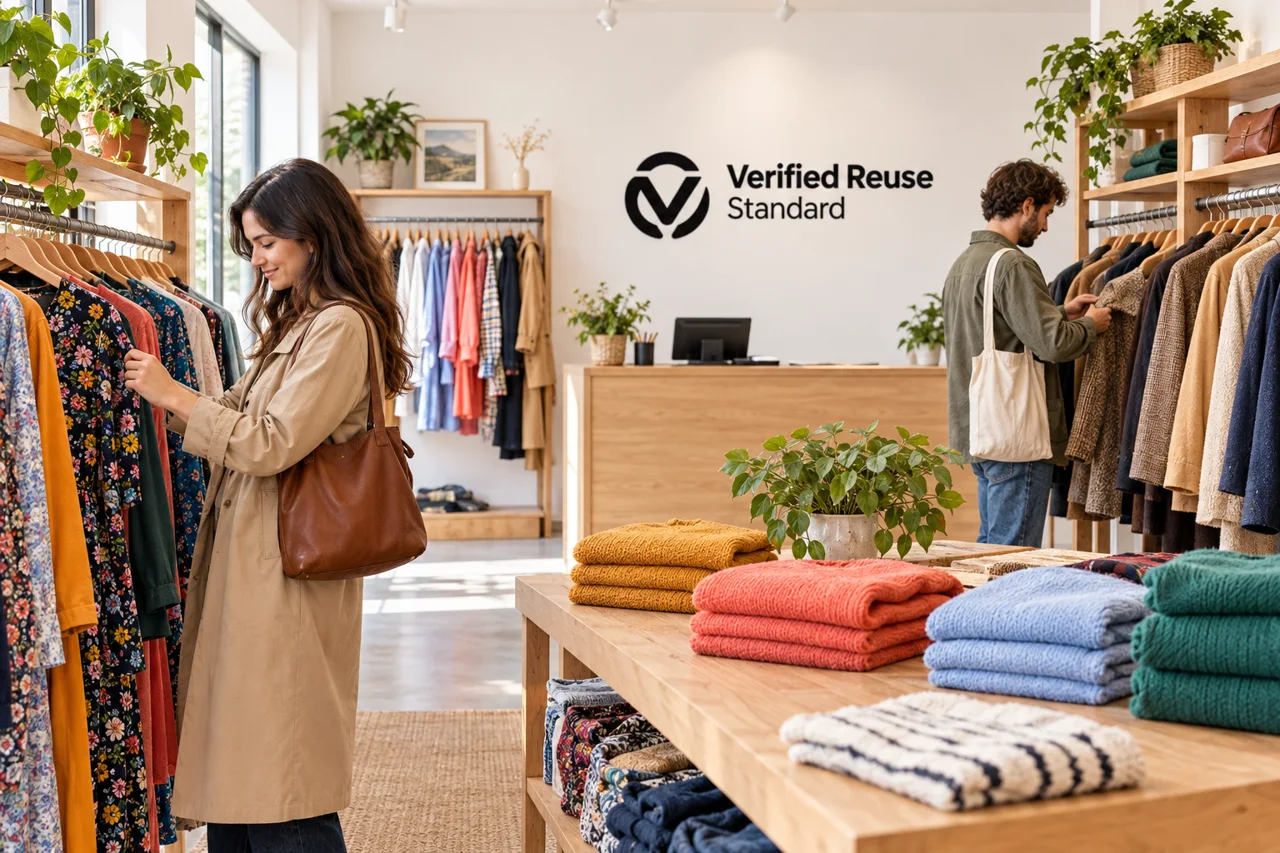
Responsible sourcing, customer information and controlled claims.
Explore ↗Illustrative visualisation; not evidence of a certified site.
Name the legal entity, sites, activities, product groups and any modules. State exclusions openly.
Assign responsibilities, keep intake, batch and dispatch records and check them against the document set.
An independent audit collects evidence; findings are handled and documented before any decision.
A decision separate from the audit; scope and status are published in the register and kept under surveillance.
RTX-402RTX-401 · RTX-207RTX-205RTX-203-1 · RTX-206One label must not stand in for all four answers. Each decision needs its own evidence.
Certification scope, participant types, certificate structure, and the certification process
Batching, identification, stage-by-stage records, and documents accompanying release
Class structure, defect catalogue, assessment rules, and batch tolerances
Delivery acceptance, display, claims, and consumer service
The programme is in development and the supplied documents are drafts. Version 00 is the website document numbering chosen by the operator; it does not itself approve the requirements or launch certification.
Draft RTX-401 uses A, B, C and D. Outside-grade material and safety exclusion are separate outcomes. A+ and grades E–F from earlier planning material are not used in the current website description.
No. Quality describes condition, while product or waste status requires a separate legal assessment and evidence. A high grade cannot replace the applicable end-of-waste procedure or the competent authority's decision.
No. A shop-level scope and an item-level sourcing claim are different. An item claim must be supported by the relevant chain-of-custody evidence and permitted wording.
Tell us where your organisation sits in the reuse chain. We will discuss the relevant documents and the programme's current development status.